
Discovering the world of heating systems is like unlocking a treasure trove of information vital for comfortable living. From the various types of systems to energy efficiency tips and maintenance essentials, this guide offers a deep dive into the heart of heating technology.
As we delve deeper, you'll gain insights into the inner workings of heating systems, helping you make informed decisions for your residential or commercial space.
Types of Heating Systems
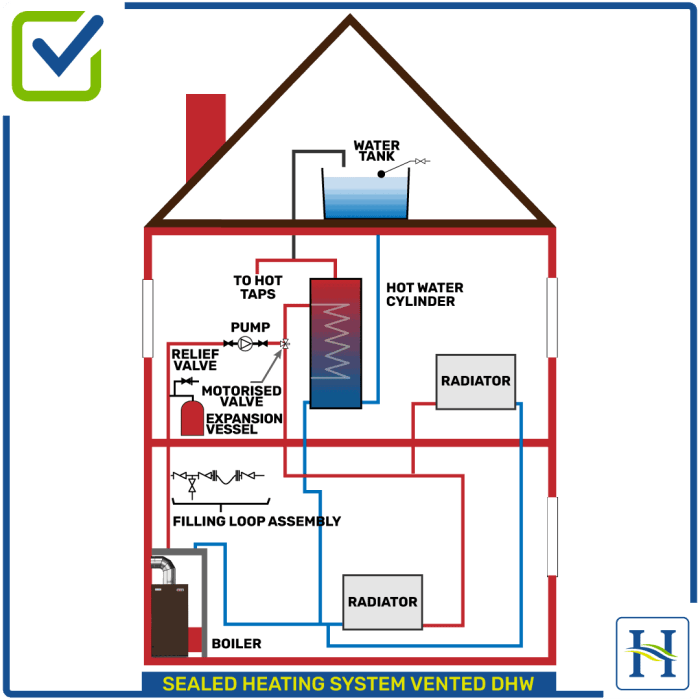
When it comes to heating systems in buildings, there are several types commonly used, each with its own set of advantages and disadvantages. The main types include forced air, radiant heating, and geothermal heating systems.
Forced Air Heating Systems
Forced air heating systems are popular in many residential and commercial buildings. They work by heating air in a furnace and then distributing it throughout the building via ducts. This type of system is known for its quick heating capabilities and the ability to also provide cooling through the same ductwork.
However, forced air systems can be less energy efficient compared to other heating options.
Radiant Heating Systems
Radiant heating systems work by heating objects in a room, such as floors, walls, or ceilings, which then radiate heat into the space. This type of heating is known for providing consistent warmth and comfort, without the need for noisy fans or ductwork.
However, installation costs can be higher, and it may take longer to heat up a room compared to forced air systems.
Geothermal Heating Systems
Geothermal heating systems utilize the natural heat stored in the ground to provide heating for buildings. This sustainable option can be highly energy efficient and eco-friendly, leading to lower utility bills and reduced carbon emissions. However, the initial installation costs can be significant, and not all properties may have the space to accommodate the necessary underground loops for the system.
Energy Efficiency
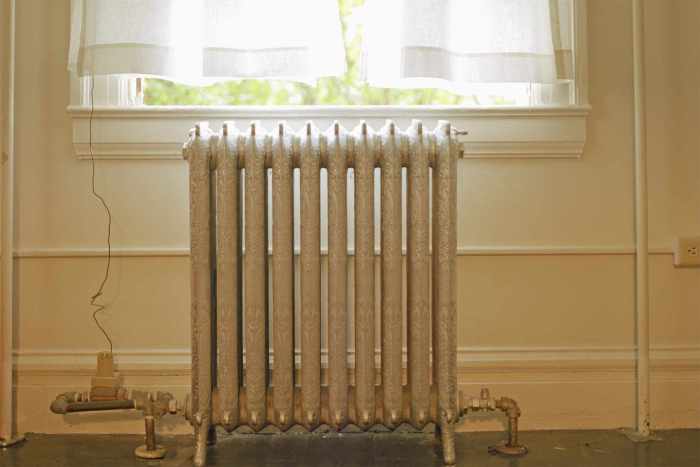
Energy efficiency plays a crucial role in heating systems as it helps reduce energy consumption, lower utility bills, and minimize environmental impact. By optimizing the efficiency of your heating system, you can maintain a comfortable indoor environment while saving money and reducing your carbon footprint.
Tips to Improve Energy Efficiency
- Regular Maintenance: Schedule annual maintenance for your heating system to ensure it operates at peak efficiency.
- Upgrade to High-Efficiency Equipment: Consider replacing old, inefficient heaters with energy-efficient models that can save energy and money in the long run.
- Programmable Thermostats: Install a programmable thermostat to regulate temperature settings based on your schedule, preventing unnecessary heating when no one is home.
- Proper Insulation: Adequate insulation in walls, floors, and attics helps retain heat inside your home, reducing the workload on your heating system.
- Seal Air Leaks: Seal gaps and cracks around doors, windows, and ductwork to prevent heat loss and improve energy efficiency.
Role of Insulation and Smart Thermostats
Insulation is essential for maintaining a consistent indoor temperature by preventing heat loss in winter and heat gain in summer. Proper insulation reduces the workload on your heating system, leading to improved energy efficiency and lower energy bills.
Smart thermostats offer advanced features like remote temperature control, scheduling, and energy usage tracking. By optimizing heating schedules and adjusting temperature settings based on occupancy, smart thermostats help reduce energy waste and improve overall efficiency.
Maintenance and Troubleshooting
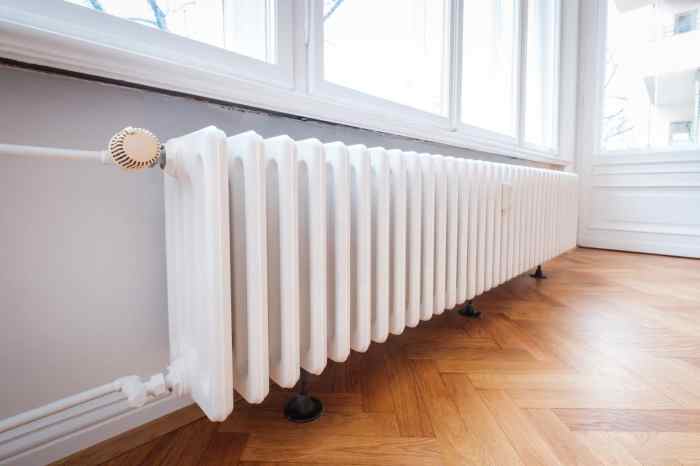
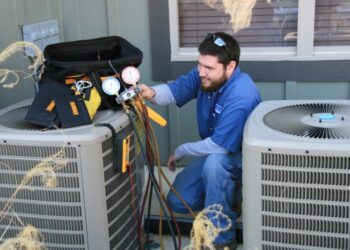
Routine maintenance is crucial for keeping heating systems running efficiently and extending their lifespan. By following a regular maintenance schedule, homeowners can prevent breakdowns and ensure that their heating systems are working optimally.Identifying common issues that may arise with heating systems is essential for troubleshooting and resolving problems promptly.
Some common issues include uneven heating, strange noises, frequent cycling, and lack of heat. By understanding these issues and their potential causes, homeowners can take appropriate actions to address them.
Routine Maintenance Schedule
- Change air filters regularly to ensure proper airflow and prevent dust buildup.
- Inspect and clean ductwork to remove any blockages that may restrict airflow.
- Check thermostat settings and calibrate if necessary to maintain accurate temperature control.
- Inspect and lubricate moving parts to reduce friction and wear.
- Test safety controls to ensure they are functioning correctly.
Common Issues and Troubleshooting
- If the heating system is producing uneven heat, check for blocked vents or dirty filters that may be obstructing airflow.
- If the system is making strange noises, it could indicate a loose or damaged component that needs to be repaired or replaced.
- Frequent cycling may be caused by an oversized system, improper thermostat settings, or a malfunctioning component that needs attention.
- If there is a lack of heat, check for issues with the pilot light, gas supply, or electrical connections that may be preventing the system from producing heat.
Best Practices for Extending Lifespan
- Schedule regular professional inspections and tune-ups to identify and address potential issues before they escalate.
- Keep the area around the heating system clear of debris and obstructions to ensure proper airflow.
- Invest in a programmable thermostat to optimize energy usage and reduce strain on the system.
- Consider upgrading to a more energy-efficient heating system to save on utility costs and reduce environmental impact.
Installation Considerations
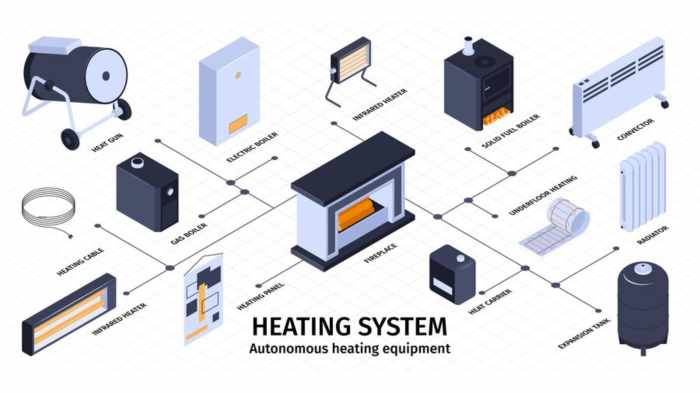
When installing a new heating system, there are several key factors to consider to ensure optimal performance and efficiency. Professional installation is highly recommended to guarantee safety and proper functioning of the system. Let's delve into the steps involved in the installation process of various heating systems and the importance of professional installation versus DIY.
Key Factors to Consider
- Size of the space to be heated
- Type of heating system suitable for the area
- Energy efficiency of the system
- Budget for installation and ongoing maintenance
- Availability of fuel source
Installation Process
The installation process may vary depending on the type of heating system, but generally includes:
- Assessment of the space and heat load calculation
- Selection of the appropriate heating system
- Preparation of the space for installation
- Installation of the heating unit and ductwork (if applicable)
- Testing the system for proper functionality
Professional Installation vs. DIY
- Professional Installation:
- Ensures proper sizing and installation
- Minimizes risks of malfunctions and safety hazards
- May come with warranty or guarantee
- DIY Installation:
- Can save on installation costs
- Requires knowledge and skills in heating systems
- May void warranties if not installed correctly
Concluding Remarks
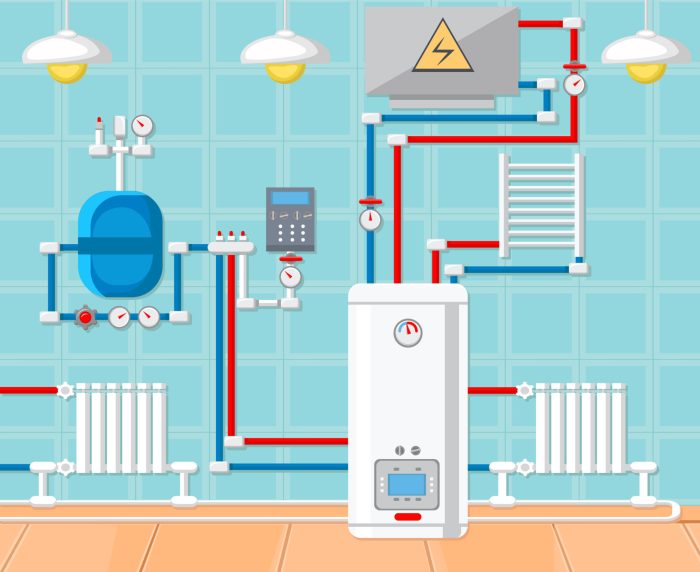
In conclusion, heating systems play a crucial role in maintaining a cozy environment amidst changing weather conditions. By understanding the nuances of different heating systems and embracing energy-efficient practices, you can ensure a warm and welcoming space year-round.
Clarifying Questions
How often should I schedule maintenance for my heating system?
Maintenance should be scheduled at least once a year to ensure optimal performance and prevent potential issues.
What are common issues that can occur with heating systems?
Common issues include clogged filters, thermostat malfunctions, and uneven heating distribution.
Is professional installation necessary for heating systems?
Professional installation is recommended to ensure safety, efficiency, and proper functioning of the system.