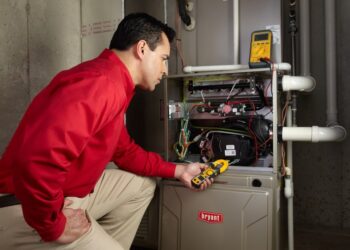

HVAC companies play a crucial role in ensuring the comfort and functionality of both residential and commercial buildings. From installation to maintenance and energy efficiency, these companies are at the forefront of creating optimal indoor environments. Let's delve into the world of HVAC companies and uncover the key aspects that make them indispensable in today's society.
As we navigate through the various services, qualities, technologies, challenges, and strategies of HVAC companies, a clearer picture emerges of the dynamic landscape they operate in.
Overview of HVAC Companies
HVAC companies, also known as heating, ventilation, and air conditioning companies, play a crucial role in the industry by providing essential services for both residential and commercial buildings.
Services Offered by HVAC Companies
HVAC companies offer a wide range of services to ensure the proper functioning of heating, ventilation, and air conditioning systems. Some of the services typically offered include:
- Installation of HVAC systems
- Repair and maintenance of HVAC systems
- Air duct cleaning and maintenance
- Indoor air quality testing and improvement
- Thermostat installation and calibration
Importance of HVAC Companies
HVAC companies are essential for both residential and commercial buildings due to the following reasons:
- Regulating indoor temperature: HVAC systems help maintain a comfortable temperature inside buildings regardless of the weather conditions outside.
- Improving indoor air quality: HVAC companies ensure that the air circulating inside buildings is clean and free of pollutants, dust, and allergens.
- Energy efficiency: Properly installed and maintained HVAC systems can help reduce energy consumption, leading to cost savings for building owners.
- Health and safety: Well-maintained HVAC systems contribute to the health and safety of occupants by preventing issues such as mold growth and carbon monoxide leaks.
Services Provided by HVAC Companies
When it comes to HVAC companies, they offer a wide range of services to ensure your heating, ventilation, and air conditioning systems are functioning efficiently. These services typically include installation, maintenance, and repair of HVAC systems.
Installation Process of HVAC Systems
HVAC companies follow a systematic process for installing heating and cooling systems in residential and commercial buildings. This process involves:
- Assessment of the space: HVAC technicians assess the size of the space, insulation levels, and other factors to determine the most suitable HVAC system for the building.
- System design: Based on the assessment, the company designs a customized HVAC system that meets the specific needs of the building.
- Installation: Technicians install the HVAC system, including components such as the furnace, air conditioner, ductwork, and thermostat, ensuring proper placement and connections.
- Testing and calibration: After installation, the system is tested to ensure it is functioning correctly. Technicians calibrate the system for optimal performance.
Ensuring Energy Efficiency
HVAC companies prioritize energy efficiency in heating and cooling systems to help customers save on energy costs and reduce their carbon footprint. They achieve this by:
- Offering energy-efficient products: HVAC companies recommend and install high-efficiency HVAC systems that consume less energy while providing optimal heating and cooling.
- Regular maintenance: Companies offer maintenance services to keep HVAC systems running smoothly, ensuring they operate at peak efficiency.
- Upgrading older systems: HVAC companies may suggest upgrading older, less efficient systems with newer models to improve energy efficiency and performance.
- Providing energy-saving tips: Technicians educate customers on best practices to maximize energy efficiency, such as adjusting thermostat settings, sealing ducts, and scheduling regular maintenance.
Qualities of a Reliable HVAC Company
When looking for an HVAC company, it is crucial to consider certain key factors that can help you determine their reliability. From certifications and licenses to customer reviews, these aspects can give you insight into the professionalism and quality of service provided by the company.
Certifications and Licenses
Certifications and licenses are essential when choosing an HVAC company as they demonstrate that the technicians have undergone the necessary training and meet industry standards. A reliable HVAC company will have all the required certifications and licenses, ensuring that they are knowledgeable and qualified to handle your HVAC system effectively.
Customer Reviews and References
Customer reviews and references play a significant role in assessing the reliability of an HVAC company. By reading reviews from previous customers and reaching out to references provided by the company, you can get a sense of the customer satisfaction levels and the quality of work delivered.
Positive reviews and references are indicators of a reliable HVAC company that prioritizes customer service and satisfaction.
Technology and Innovation in HVAC Companies
With the constant evolution of technology, HVAC companies are continuously implementing innovative solutions to improve efficiency, comfort, and sustainability in the industry.
Latest Technological Advancements
- Integration of IoT (Internet of Things) for remote monitoring and control of HVAC systems.
- Advanced sensors and smart thermostats for precise temperature regulation.
- Energy-efficient HVAC units with variable-speed compressors and eco-friendly refrigerants.
Impact of Smart HVAC Systems
- Enhanced energy efficiency leading to reduced utility bills for customers.
- Improved comfort and indoor air quality through intelligent zoning and air purification systems.
- Predictive maintenance capabilities to prevent breakdowns and optimize system performance.
Embracing Sustainability and Eco-Friendly Practices
- Transitioning to renewable energy sources like solar power for HVAC operations.
- Adoption of green building practices to minimize environmental impact during installations.
- Promotion of energy-saving HVAC solutions to reduce carbon footprint and support eco-conscious initiatives.
Challenges Faced by HVAC Companies
The HVAC industry is not without its challenges, which can significantly impact the operations and success of HVAC companies. From equipment shortages to regulatory changes, HVAC companies must navigate various obstacles to thrive in the market.
Equipment Shortages
One of the common challenges faced by HVAC companies is dealing with equipment shortages. This can be due to supply chain disruptions, increased demand, or manufacturing delays. As a result, HVAC companies may struggle to fulfill orders on time, leading to customer dissatisfaction and potential revenue loss.
Regulatory Changes
Another challenge for HVAC companies is staying compliant with evolving regulations and standards. Changes in environmental requirements, safety protocols, or energy efficiency guidelines can impact how HVAC systems are designed, installed, and maintained. Companies must invest in training and resources to ensure they meet these new regulations effectively.
Staying Competitive
To stay competitive in a changing market, HVAC companies need to adapt to new technologies and consumer preferences. This can include offering smart HVAC solutions, energy-efficient systems, or innovative maintenance services. Companies that fail to embrace these changes risk losing customers to more forward-thinking competitors.
Conclusive Thoughts
In conclusion, HVAC companies are not just providers of heating, ventilation, and air conditioning services; they are enablers of comfortable living and efficient working environments. With a focus on innovation, reliability, and sustainability, these companies continue to shape the way we experience indoor spaces.
User Queries
What factors should I consider when choosing an HVAC company?
When choosing an HVAC company, consider factors like experience, certifications, customer reviews, and the range of services offered.
How do HVAC companies ensure energy efficiency in heating and cooling systems?
HVAC companies ensure energy efficiency through proper system design, regular maintenance, and the use of energy-efficient components.
What are some common challenges faced by HVAC companies?
Common challenges include equipment shortages, regulatory changes, and staying competitive in a rapidly evolving market.