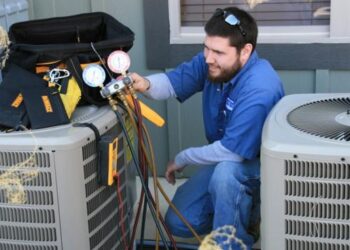

Diving into the realm of professional technicians, this introduction sets the stage for an insightful discussion on the role, skills, and impact of these crucial professionals across various industries.
The following paragraphs will delve deeper into the training, duties, tools, and more that define the world of professional technicians.
Training and Education for Professional Technicians
Aspiring professional technicians typically follow specific educational paths to gain the necessary skills and knowledge for their career.
Typical Educational Paths
Professional technicians often begin their journey by pursuing a high school diploma or equivalent. From there, they may choose to enroll in a vocational school, technical institute, or community college to obtain a certificate or associate degree in their chosen field.
Some technicians may also opt to pursue a bachelor's degree in a relevant field for more advanced roles.
Certification Programs
There are various certification programs available for professional technicians, offered by organizations such as the Automotive Service Excellence (ASE), International Society of Certified Electronics Technicians (ISCET), and CompTIA. These certifications demonstrate a technician's expertise and can enhance their career prospects.
Ongoing Training and Professional Development
Continuous training and professional development are crucial for technicians to stay updated on the latest technologies and industry trends. This can involve attending workshops, seminars, and online courses to enhance their skills and knowledge.
Practical Training Aspects
In addition to formal education, practical training is essential for preparing professional technicians. This may involve hands-on experience in real-world settings, apprenticeships with experienced technicians, and on-the-job training to apply theoretical knowledge to practical situations.
Duties and Responsibilities of Professional Technicians
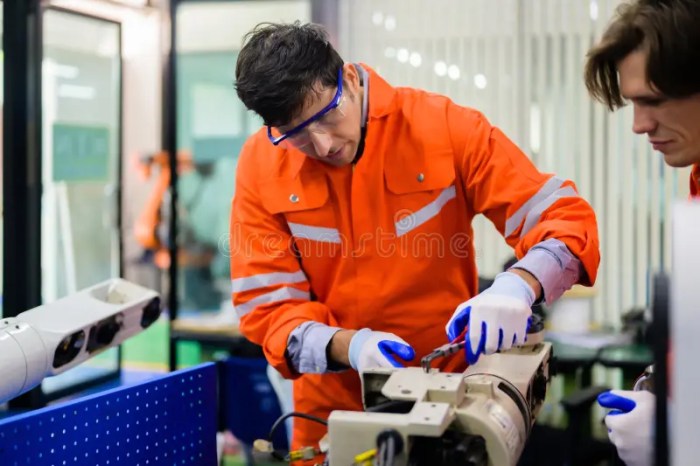
Professional technicians play a crucial role in various industries by ensuring that equipment, systems, and machinery are functioning properly. They are responsible for a wide range of tasks that require technical expertise, problem-solving skills, and adherence to safety protocols.
Common Tasks of Professional Technicians
- Performing regular maintenance and inspections on equipment
- Diagnosing technical issues and troubleshooting problems
- Repairing or replacing faulty components
- Calibrating and testing equipment to ensure accuracy
- Installing new systems or machinery
Importance of Safety Protocols
Following safety protocols is paramount in the work of professional technicians to prevent accidents, injuries, and damage to equipment. By wearing the appropriate protective gear, following safety procedures, and being aware of potential hazards, technicians can create a safe work environment for themselves and their colleagues.
Troubleshooting and Technical Issue Resolution
Professional technicians utilize their problem-solving skills to troubleshoot technical issues effectively. They often follow a systematic approach to identify the root cause of a problem, analyze possible solutions, and implement the most appropriate fix. This process requires critical thinking, attention to detail, and a good understanding of the equipment or system being worked on.
Day-to-Day Responsibilities in Different Fields
- Automotive Technicians:Conducting vehicle diagnostics, performing routine maintenance, and repairing engine components.
- IT Technicians:Setting up computer systems, installing software, troubleshooting network issues, and providing technical support to users.
- Electrical Technicians:Installing and maintaining electrical systems, repairing electrical faults, and ensuring compliance with safety standards.
- Medical Technicians:Operating medical equipment, conducting tests, and assisting healthcare professionals in patient care.
Tools and Equipment Used by Professional Technicians
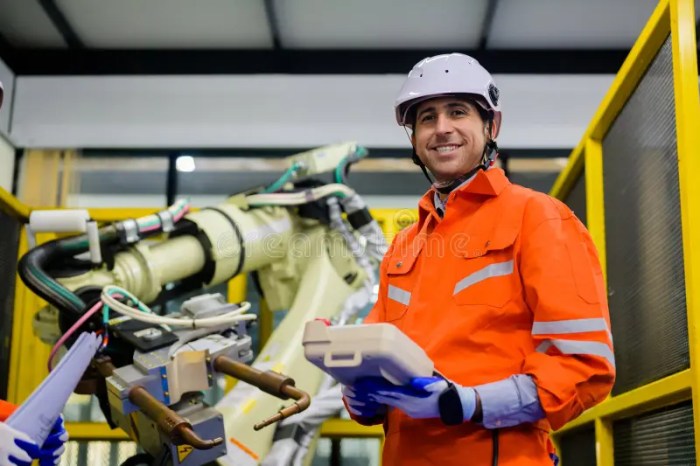
Professional technicians rely on a variety of tools and equipment to effectively carry out their duties. These tools not only help them diagnose and repair issues but also ensure the safety and efficiency of their work.
Essential Tools for Professional Technicians:
Professional technicians use a range of essential tools in their daily work, including:
- Multimeter
- Screwdrivers (Phillips, Flathead)
- Pliers (Needle-nose, Cutting)
- Socket and Wrench Sets
- Power Drill
- Wire Strippers
- Tape Measure
- Flashlight
Advanced Equipment and Technologies:
With advancements in technology, professional technicians also utilize advanced equipment such as:
- Oscilloscopes for analyzing electronic signals
- Diagnostic Scanners for identifying vehicle issues
- Thermal Imaging Cameras for detecting temperature variations
- Computerized Maintenance Management Systems (CMMS) for tracking maintenance activities
Significance of Staying Updated:
It is crucial for technicians to stay updated with the latest tools and equipment in the industry to remain competitive and provide high-quality service. New technologies can improve efficiency, accuracy, and safety in their work.
Maintenance of Tools and Equipment:
Technicians should regularly maintain and care for their tools and equipment to ensure longevity and performance. This includes cleaning, lubricating, and properly storing tools after use.
End of Discussion
In conclusion, the world of professional technicians is dynamic and essential, requiring a blend of technical expertise, problem-solving skills, and a commitment to ongoing learning. This summary encapsulates the diverse responsibilities and tools that shape the work of professional technicians.
Helpful Answers
What are the common tasks of professional technicians?
Professional technicians often perform tasks such as equipment maintenance, troubleshooting technical issues, and ensuring the proper functioning of machinery.
Why is ongoing training important for professional technicians?
Ongoing training is crucial for professional technicians to stay updated on new technologies, enhance their skills, and adapt to evolving industry standards.
How do professional technicians maintain their tools and equipment?
Professional technicians maintain their tools by regularly cleaning, calibrating, and storing them properly to ensure optimal performance and longevity.