

In the fast-paced world of professional services, excellence is not just a goal - it's a necessity. As we delve into the realm of professional services, we uncover the key elements that define this sector and its crucial role in driving growth and success.
From the traits of a top-tier service provider to the challenges faced by industry professionals, this narrative paints a vivid picture of what it takes to deliver exceptional service in today's competitive landscape.
Exploring the nuances of what sets professional services apart and how they impact both businesses and individuals, this guide offers a deep dive into the world of service excellence.
Definition of Professional Service

A professional service is a type of service that requires specialized knowledge, expertise, and skills to be delivered. These services are usually provided by individuals or firms with specific training and qualifications in a particular field.
Characteristics of Professional Services
- Specialized Knowledge: Professional services require in-depth knowledge and expertise in a specific area.
- High Level of Skill: Professionals must possess advanced skills to deliver quality services.
- Ethical Standards: Professional services are bound by ethical codes and standards to ensure integrity and trust.
- Client-Centric Approach: Professionals focus on meeting the needs and expectations of their clients.
Examples of Industries Offering Professional Services
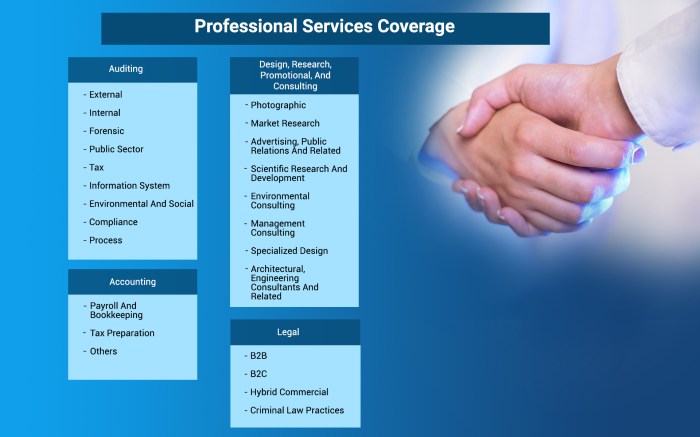
- Legal Services: Lawyers provide legal advice and representation to clients.
- Medical Services: Doctors and healthcare professionals offer medical diagnosis and treatment.
- Financial Services: Accountants, financial advisors, and investment bankers provide financial expertise.
- Consulting Services: Management consultants offer strategic advice to businesses.
Importance of Professional Service
In today's economy, professional services play a crucial role in driving growth and development. These services encompass a wide range of expertise and knowledge that are essential for businesses and individuals to thrive in a competitive environment.
Contribution to Societal Growth
Professional services contribute significantly to societal growth by providing specialized skills and solutions to complex problems. For example, consulting firms help businesses optimize their operations and strategies, leading to increased efficiency and profitability. Legal services ensure that laws are upheld and rights are protected, fostering a fair and just society.
Impact on Businesses and Individuals
Professional services have a direct impact on businesses and individuals by offering expert advice and support. For instance, accounting firms help businesses manage their finances and comply with regulations, while healthcare professionals provide quality medical care to improve the well-being of individuals.
The expertise and guidance provided by professional services contribute to the overall success and progress of both businesses and individuals. When it comes to being a professional service provider, there are certain key attributes that are essential to ensure high-quality service delivery. These qualities not only set them apart from the rest but also contribute to building trust with clients and maintaining a positive reputation in the industry. Professional service providers must possess a high level of technical expertise in their respective fields. Whether it's a lawyer, accountant, consultant, or IT specialist, having in-depth knowledge and skills is crucial to providing effective solutions to clients. Effective communication is vital for professional service providers to understand their clients' needs, explain complex concepts in simple terms, and provide regular updates on the progress of their work. Clear and concise communication helps build trust and ensures clients are well-informed throughout the engagement. A professional service provider should have strong problem-solving abilities to tackle challenges efficiently and come up with innovative solutions. Being able to think critically and adapt to changing circumstances is key to delivering value to clients and achieving successful outcomes. Integrity and trustworthiness are non-negotiable qualities for professional service providers. Clients rely on them to handle sensitive information with confidentiality, act ethically in all situations, and prioritize their clients' best interests above all else. Building a reputation for trustworthiness can lead to long-term client relationships and referrals. Delivering professional services to clients requires a systematic approach to ensure quality and efficiency. Professional service providers follow a set of typical steps to meet client needs and deliver value. Before providing any service, professionals must first understand the specific needs and requirements of their clients. This involves conducting thorough consultations, asking relevant questions, and actively listening to client feedback. In the professional service industry, professionals often face various challenges that can impact the quality of service delivery and overall success of their businesses. These challenges require proactive strategies to overcome and stay competitive in a rapidly evolving market. Technological advancements have significantly transformed the way professional services are delivered. From AI-powered tools to cloud-based platforms, technology has revolutionized the industry, making services more efficient and accessible. However, integrating new technologies can also pose challenges such as data security concerns, staff training requirements, and the need to constantly upgrade systems to stay relevant. As we conclude our exploration of professional services, one thing is clear - the landscape is ever-evolving, presenting both challenges and opportunities for those in the industry. By embracing best practices, maintaining integrity, and adapting to technological advancements, professionals can navigate these waters successfully and continue to deliver outstanding service to their clients. What defines a professional service? A professional service is characterized by specialized knowledge, expertise, and skills offered to clients in a specific industry or profession. How do professional services contribute to societal growth? Professional services drive innovation, create job opportunities, and enhance productivity, all of which contribute to societal growth and development. What qualities should a professional service provider possess? A professional service provider should demonstrate integrity, expertise, excellent communication skills, and the ability to tailor services to meet client needs. What are the typical challenges faced in the professional service industry? Common challenges include intense competition, staying updated with technological advancements, and maintaining a high level of client satisfaction. How do professional service providers ensure seamless delivery of services? By following best practices, understanding client requirements, and adapting to changes in the industry, professional service providers can ensure a seamless delivery of services. Technical Expertise
Communication Skills
Problem-Solving Abilities
Integrity and Trustworthiness
Process of Delivering Professional Services

Understanding Client Needs
Tailoring Services
Seamless Delivery Practices
Challenges in Professional Service Industry
Impact of Technological Advancements
Strategies for Overcoming Challenges
Ultimate Conclusion

Essential FAQs