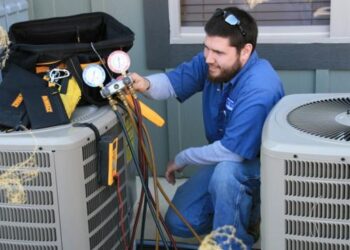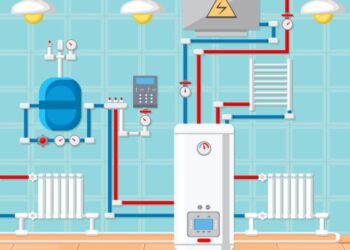

Delving into the world of HVAC systems, this guide offers a detailed look at the key components, types, and energy efficiency aspects that shape these crucial systems in both residential and commercial settings. Get ready to uncover the ins and outs of HVAC technology with us.
In this guide, we will cover the primary components, different types, installation and maintenance practices, energy efficiency considerations, and the latest smart technology trends in the realm of HVAC systems.
Introduction to HVAC System
HVAC stands for Heating, Ventilation, and Air Conditioning. It refers to the technology of indoor environmental comfort, encompassing the systems that control the temperature, humidity, and air quality in buildings.
Primary Components of an HVAC System
- Heating: The heating component of an HVAC system is responsible for maintaining a comfortable temperature inside a building during colder months. This can be achieved through furnaces, heat pumps, or boilers.
- Ventilation: Ventilation ensures the circulation of fresh air within the building while removing stale air, odors, and contaminants. It helps maintain indoor air quality and prevents the buildup of harmful gases.
- Air Conditioning: The air conditioning component of an HVAC system is crucial for cooling indoor spaces during hot weather. It involves the use of systems such as air conditioners, heat pumps, or evaporative coolers.
Importance of HVAC Systems in Residential and Commercial Buildings
HVAC systems play a critical role in maintaining a comfortable and healthy indoor environment in both residential and commercial buildings. They provide the following benefits:
- Regulation of Temperature: HVAC systems ensure that indoor temperatures remain within a comfortable range throughout the year, enhancing occupant comfort.
- Improved Air Quality: Proper ventilation and air filtration in HVAC systems help remove pollutants, allergens, and contaminants from the indoor air, promoting better health.
- Energy Efficiency: Modern HVAC systems are designed to be energy-efficient, reducing utility costs and environmental impact.
- Humidity Control: HVAC systems can control indoor humidity levels, preventing issues like mold growth and ensuring a pleasant atmosphere.
Types of HVAC Systems
When it comes to HVAC systems, there are different types available to cater to various needs and preferences. Let's explore the main types of HVAC systems and their features.
Central vs. Decentralized HVAC Systems
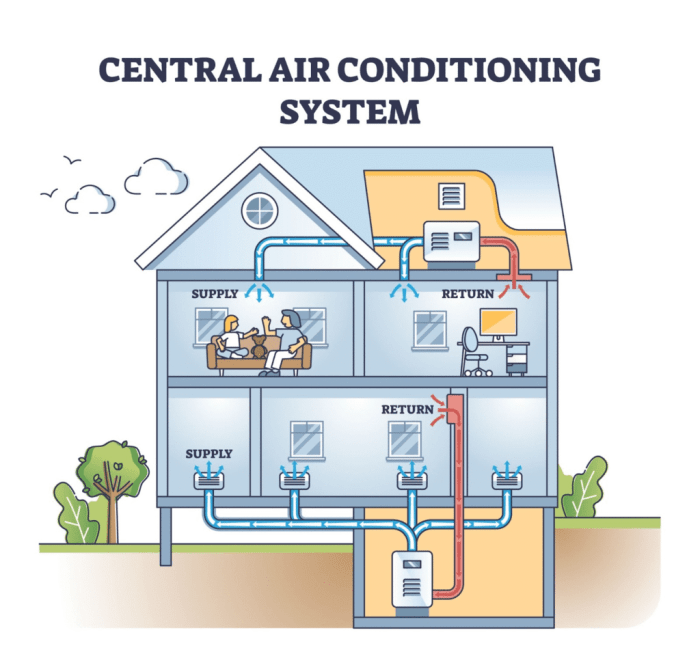
Central HVAC systems are designed to heat or cool an entire building from one central location, typically using ductwork to distribute air. On the other hand, decentralized HVAC systems consist of individual units placed in different zones or rooms, providing more localized control over temperature settings.
Types of HVAC Systems
- Split Systems: Split HVAC systems have components located both inside and outside the building, with an indoor unit handling air distribution and an outdoor unit managing heat exchange.
- Packaged Systems: Packaged HVAC systems contain all components in one unit, typically installed outside the building, making them ideal for limited indoor space.
- Duct-Free Systems: Duct-free HVAC systems, also known as ductless mini-split systems, do not require ductwork for air distribution, making them a flexible and efficient option for smaller spaces.
- Hybrid Systems: Hybrid HVAC systems combine elements of both electric and gas heating, providing energy-efficient heating and cooling solutions for varying climate conditions.
Comparison of HVAC System Features
| Type of System | Features |
|---|---|
| Split Systems | Cost-effective, easy installation, separate control for different zones. |
| Packaged Systems | Space-saving, all-in-one design, suitable for commercial buildings. |
| Duct-Free Systems | Flexible placement, energy-efficient, individual control for each room. |
| Hybrid Systems | Energy-efficient, adaptable to different climate conditions, reduced environmental impact. |
HVAC System Components
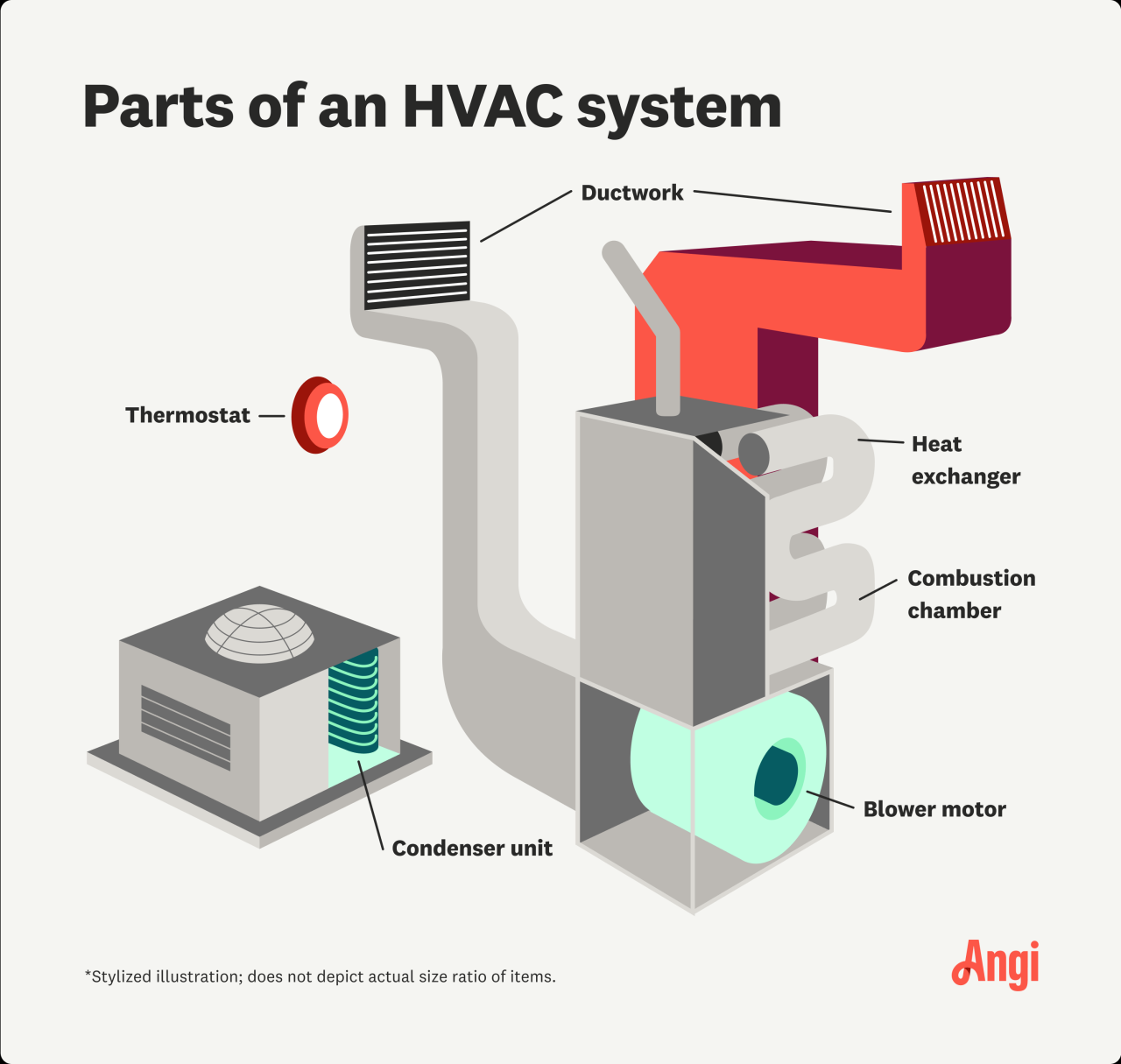
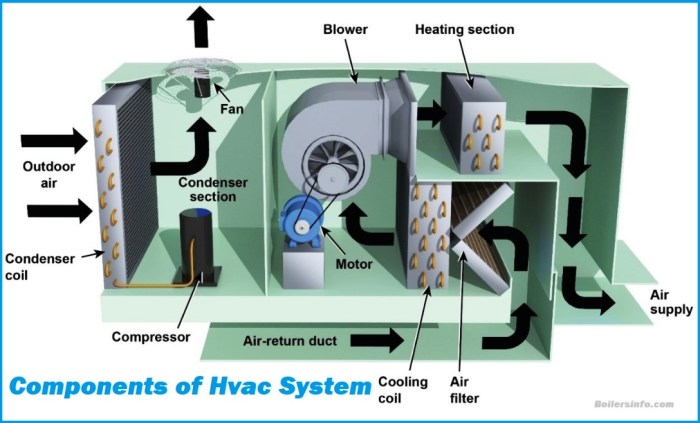
When it comes to HVAC systems, various components work together to ensure optimal heating, ventilation, and air conditioning. Understanding the functions of key components is essential for proper maintenance and efficient operation.
Compressor, Evaporator, Condenser, and Thermostat
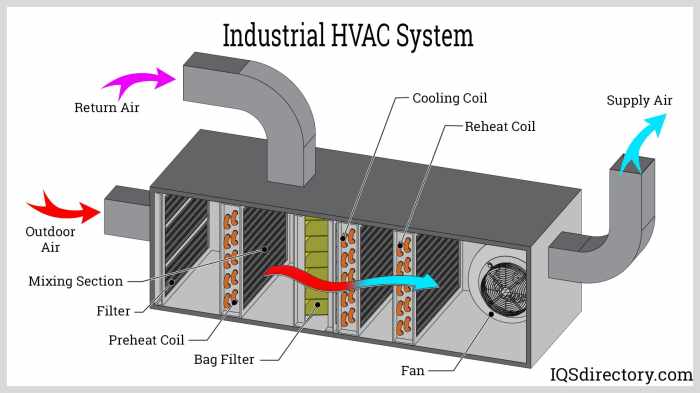
- The compressor plays a crucial role in cooling the refrigerant and increasing its pressure before sending it to the condenser.
- The evaporator helps absorb heat from the indoor air as the refrigerant evaporates, cooling the air in the process.
- The condenser releases the heat absorbed from the indoor air to the outside environment, allowing the refrigerant to cool down and circulate back to the evaporator.
- The thermostat serves as the control center of the HVAC system, regulating the temperature and ensuring the system operates efficiently.
Air Filters, Ductwork, and Vents
- Air filters are essential components that help trap dust, allergens, and other particles from circulating in the air, improving indoor air quality.
- Ductwork acts as a pathway for distributing conditioned air throughout the building, ensuring consistent airflow and temperature control.
- Vents are openings in the walls, floors, or ceilings where conditioned air is released into the living spaces, allowing for proper air circulation.
Energy-Efficient Components
- Variable-speed air handlers can adjust the airflow based on the heating and cooling needs, reducing energy consumption and improving comfort.
- Programmable thermostats enable users to set schedules for heating and cooling, optimizing energy usage and reducing costs.
- High-efficiency air filters can capture more particles, improving indoor air quality and reducing strain on the HVAC system.
HVAC System Installation and Maintenance
When it comes to HVAC system installation and maintenance, there are crucial steps to follow to ensure optimal performance and longevity of the system. Regular maintenance is key to preventing breakdowns and maximizing energy efficiency.
Installing an HVAC System
Installing an HVAC system in a building involves several key steps:
- Assessment of the building's heating and cooling needs.
- Determining the appropriate HVAC system type based on the building's size, layout, and usage.
- Proper sizing and placement of the HVAC unit to ensure efficient operation.
- Installation of ductwork, vents, and other components to distribute air throughout the building.
- Testing the system to ensure it is running smoothly and effectively.
Importance of Regular Maintenance
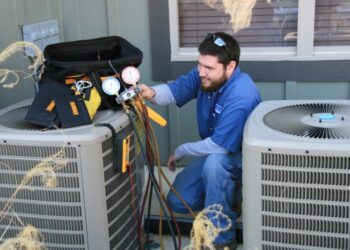
Regular maintenance is essential for optimal HVAC system performance. It helps prevent costly breakdowns, improves energy efficiency, and extends the system's lifespan.
Regularly changing air filters, cleaning ducts, and scheduling professional inspections can help maintain the HVAC system's efficiency.
Troubleshooting Common HVAC Issues
Some common HVAC system issues include:
- Inadequate cooling or heating
- Strange noises or odors
- Uneven temperature distribution
If you encounter any of these issues or notice a decline in system performance, it's essential to seek professional help. HVAC technicians have the expertise to diagnose and fix problems efficiently.
Energy Efficiency in HVAC Systems
Energy efficiency in HVAC systems is crucial for reducing energy consumption, lowering utility bills, and minimizing environmental impact. One key metric used to measure efficiency is the Seasonal Energy Efficiency Ratio (SEER), which indicates how efficiently an air conditioner or heat pump operates over an entire cooling season.
SEER (Seasonal Energy Efficiency Ratio)
The SEER rating is calculated by dividing the cooling output of an air conditioner or heat pump by the energy input in watt-hours. A higher SEER rating signifies greater energy efficiency, leading to lower energy costs and reduced carbon footprint.
Strategies for Improving Energy Efficiency
- Proper Insulation: Ensuring that your home is well-insulated can help reduce energy loss and improve the overall efficiency of your HVAC system.
- Programmable Thermostats: Using programmable thermostats allows you to adjust the temperature settings based on your schedule, optimizing energy usage.
- Regular Maintenance: Scheduled maintenance, such as cleaning filters and checking for leaks, can enhance the performance and efficiency of your HVAC system.
Benefits of Upgrading to Energy-Efficient HVAC Systems
- Cost Savings: Energy-efficient HVAC systems consume less energy, resulting in lower utility bills and long-term savings for homeowners.
- Environmental Impact: By reducing energy consumption, upgrading to energy-efficient HVAC systems helps lower greenhouse gas emissions and contributes to a more sustainable environment.
Smart HVAC Technology
Smart HVAC systems utilize advanced technology to optimize comfort levels and energy efficiency in buildings. These systems incorporate features such as smart thermostats, zoning systems, and remote monitoring to enhance overall performance.
Advantages of Smart Thermostats
Smart thermostats allow users to program and control temperature settings remotely through mobile devices. By learning user preferences and adjusting settings accordingly, these thermostats can optimize energy consumption and improve comfort levels.
Zoning Systems
Zoning systems divide a building into separate zones with individual temperature controls. This allows for customized heating and cooling in different areas, saving energy by only conditioning spaces that are in use.
Remote Monitoring
Remote monitoring enables users to track HVAC system performance and receive alerts for maintenance or issues. This proactive approach helps prevent breakdowns, reduces energy waste, and ensures optimal functioning of the system.Overall, smart HVAC technology provides a more efficient and convenient way to manage heating and cooling in buildings, leading to cost savings and improved comfort for occupants.
Closing Notes
As we conclude our exploration of HVAC systems, we hope this guide has shed light on the intricacies of these vital systems. From understanding the components to optimizing energy efficiency, HVAC systems play a crucial role in maintaining comfort and sustainability in buildings.
FAQs
What does HVAC stand for?
HVAC stands for Heating, Ventilation, and Air Conditioning.
What are the primary components of an HVAC system?
The primary components include the compressor, evaporator, condenser, and thermostat.
How does SEER impact HVAC system efficiency?
SEER (Seasonal Energy Efficiency Ratio) measures the cooling efficiency of an HVAC system. Higher SEER ratings indicate better efficiency.